
Is Morocco safe? Short answer: yes — Morocco is one of the most stable, tourism-ready countries in Africa, hosting over 14 million visitors a year. As a licensed Moroccan tour company, we get this question weekly, so here’s the honest, detailed answer: what’s genuinely safe, what needs street-smarts, and what solo and female travellers should know.
The big picture
Morocco is politically stable, heavily invested in tourism, and maintains a visible police presence in tourist cities. Violent crime against visitors is rare. Most Western government travel advisories place Morocco at their standard ‘exercise normal/increased caution’ level — the same tier as much of Europe. Tourism is a pillar of the economy, and it shows in how visitors are treated.
What’s actually safe
- Cities: Marrakech, Fes, Chefchaouen, Essaouira and Rabat are well-policed and walkable; medinas are crowded but watched.
- Desert tours: the southern circuits (Marrakech–Merzouga–Fes) are professional, well-travelled routes — thousands of tourists run them weekly. Our Sahara desert tours use experienced local drivers who know every kilometre.
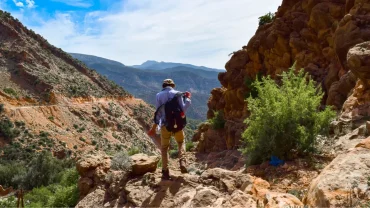
- Mountain regions: Atlas valleys and Berber villages are famously hospitable; guided trekking is a mature industry.
- Food and water: cooked food is reliably safe; stick to bottled water and busy stalls.
What needs normal street-smarts
- Pickpocketing in crowded souks and Jemaa el-Fna — same vigilance as Barcelona or Rome.
- Faux guides offering to ‘help you find your way’ for a fee — a polite, firm ‘la, shukran’ (no, thank you) works.
- Taxi overcharging — insist on the meter or agree on the price first.
- Aggressive selling — persistent but harmless; humour beats irritation.
Is Morocco safe for solo female travellers?
Thousands of women travel Morocco solo every month. The genuine annoyance is verbal attention in some medinas — unpleasant, rarely dangerous. What helps: dressing modestly (shoulders/knees covered reduces attention notably), confident walking, sunglasses, and riads in central locations. Many solo women choose a private guided tour for the desert legs — see our private tours — because it removes navigation and hassle entirely.
Is Morocco safe for families?
Very. Moroccans adore children — expect your kids to be welcomed everywhere. Camel rides, desert camps and medina exploring are family gold. We regularly run family versions of our 6-day Sahara tour with child-friendly pacing.
Practical safety tips
- Carry a copy of your passport; leave the original in the riad safe.
- Use registered guides (badge-carrying) in Fes and Marrakech medinas.
- Drink bottled water; carry small cash — cards aren’t universal.
- Travel insurance: yes, always, anywhere.
- Ramadan and Friday prayers change rhythms — plan around them, enjoy them.
Does a guided tour make Morocco safer?
It removes the friction points: airport pickup kills taxi games, a local driver-guide ends faux-guide attention, and desert logistics (remote roads, camp bookings) are handled by people who do it daily. That’s not fear — it’s comfort. It’s also why first-time visitors often tour first and return independently later.
Bottom line
Morocco is safe for travellers who apply the same common sense they’d use in any major tourist destination — and considerably friendlier than most. Questions about a specific city or route? Ask us directly — we live here, and we reply within 24 hours. Browse all Morocco tours when you’re ready.
Comment (0)